Native American Heritage Month Book Recs
We should take a moment to acknowledge the land on which we are gathered. For thousands of years, this land has been the home of Patwin people. Today, there are three federally recognized Patwin tribes: Cachil DeHe Band of Wintun Indians of the Colusa Indian Community, Kletsel Dehe Wintun Nation, and Yocha Dehe Wintun Nation.
The Patwin people have remained committed to the stewardship of this land over many centuries. It has been cherished and protected, as elders have instructed the young through generations. We are honored and grateful to be here today on their traditional lands.
In celebration of Native American Heritage Month, we’ve curated a list of books and media that we have appreciated during various phases of our lives, as well as a few that have been on our reading lists. These titles are available in our catalog and through interlibrary loan using UC Search. We hope you enjoy!
If you have recommendations for the collection, please feel free to share so we can pass along the requests for evaluation.
Poetry
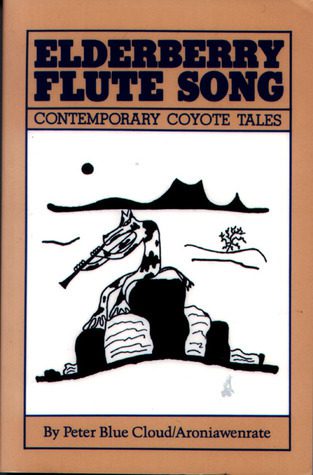
Elderberry Flute Song by Peter Blue Cloud
This is a collection of short stories exploring coyote. Readers may end this collection with a new or expanded understanding of coyote. This book was published in 1982, and is a classic. This book was used by Profesora Emeritus Inés Hernández-Ávila in a class on contemporary Native American poetry. (RH)
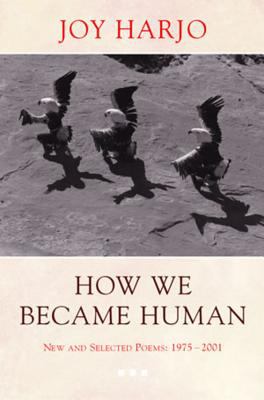
How We Became Human by Joy Harjo
This collection of poems by Joy Harjo, U.S. Poet Laureate and a member of the Mvskoke Nation, contains newer poems and works from previous publications starting in 1975, through 2001. Through her poetry she captures her pathway to self, which she shares with us. Joy Harjo’s memoir Crazy Brave was a 2022 Native American book rec selection. Both books were used by Profesora Emeritus Inés Hernández-Ávila in her class on contemporary Native American poetry. (RH)
Fiction
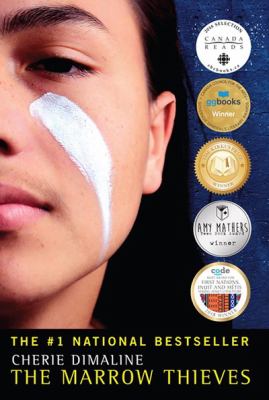
The Marrow Thieves by Cherie Dimaline
This novel has an apocalyptic vibe similar to Octavia Butler’s Parable of the Sower. The story is told from the perspective of a young boy named Frenchie who was displaced from his family. He joins a small group of other Indigenous folks who are moving together communally, on the run from “recruiters” seeking to capture Indigenous persons to extract their bone marrow, which contains material necessary to dream. Some themes explored in this novel are intergenerational community, transmission of knowledge through oral tradition, and expropriation and brutalization of Indigenous bodies. (RH)
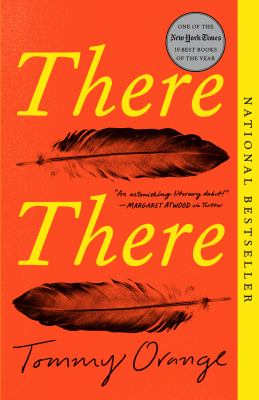
This novel takes place in the present day and is told from the perspective of multiple people, of different ages and experiences, who are making their way to a Pow-Wow in Oakland, California. Each character’s storyline is encapsulating and relatable. (RH)
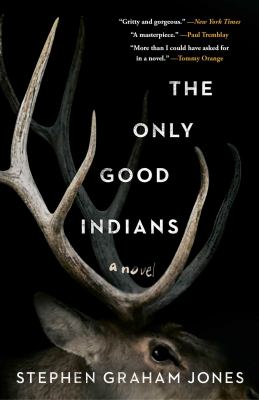
The Only Good Indians by Stephen Graham Jones
Stephen Graham Jones’s latest novel, I Was a Teenage Slasher, arrived earlier this year, just after the wrap-up of the Indian Jake trilogy, but The Only Good Indians remains a wonderful, eerie introduction to Jones’s mix of myth and the modern (and, in this case, basketball). This is a horror story whose connection to Blackfeet cultural lore adds a sinister lens to its telling, and whose mystical realism makes the fantastic here more frightening than the jump-scares of the genre. (WC)
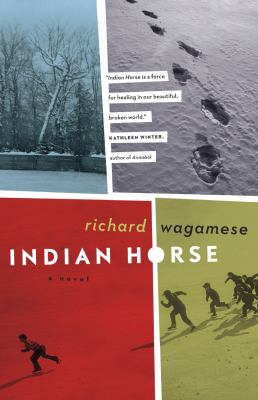
Indian Horse by Richard Magamese
This is a short, beautiful, and painful novel about identity, trauma, and recovery that follows Saul Indian Horse’s journey from the horrors of a Canadian boarding school to the joys that come from finding one’s strength in sport. Saul’s efforts to find himself at home in the community he knows while understanding the transcendence of his gifts for hockey that bring him unwanted racist attention is a struggle as relatable as it gets in modern fiction. (WC)
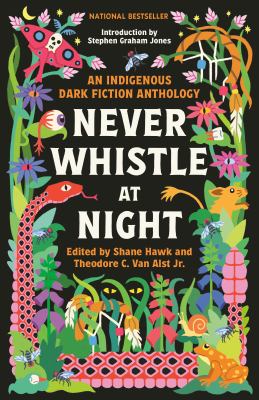
Never Whistle at Night: An Indigenous Dark Fiction Anthology
This anthology is described as a collection of Indigenous dark fiction. It contains 26 stories from some of the best known Indigenous authors of 2024, including Cheri Dimaline, Tommy Orange, and others. A book review focused on this title writes “All combined, these powerful pages use fantastical elements to create very human characters who suffer very real horrors, like oppression, poverty, abuse, mental illness, and the erasure of long-existing cultures and traditions” (Rodriguez, V.N., 2023, p.44) (RH)
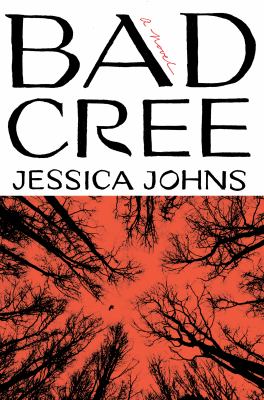
Bad Cree: A Novel by Jessica Johns
Bad Cree is an intense exploration of intergenerational trauma, and addresses themes of separation from one’s community, and reconnection, grief, and conflict within families. By employing elements of horror through visceral descriptions, author Jessica Johns brings the reader into the (literal) nightmares that haunt Mackenzie, a young Cree woman, as she travels across Canada trying to piece together circumstances leading to the untimely death of her sister Sabrina. (KV)
Short Stories
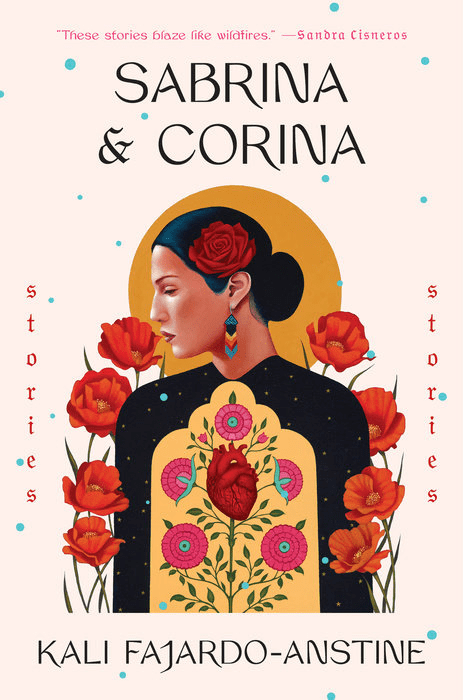
Sabrina & Corina by Kali Fajardo-Anstine
Eleven short stories that explore themes of intergenerational relationships and migration throughout the Western U.S. in the lives of Latina women with Indigenous ancestry. (KV)
Graphic Novels
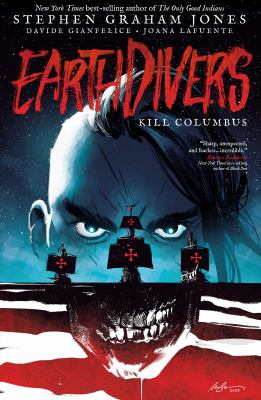
Earthdivers: Kill Columbus written by Stephen Graham Jones and illustrated by Davide Gianfelice
If you’re a fan of the classic trope of a band of outcasts traveling backward in time to assassinate genocidal historical figures, or of the twisty Paper Girls graphic novel series, then chances are you’ll love Graham Jones and Gianfelice’s take to see Indigenous survivors of a collapsed future attempt to murder Christopher Columbus. I’ve only read the first volume in this series and can already tell it will benefit multiple visits – a lot like those Matt Smith episodes of Doctor Who where a lot of early reveals made more sense deeper in the series. (WC)
Non-Fiction/Memoir
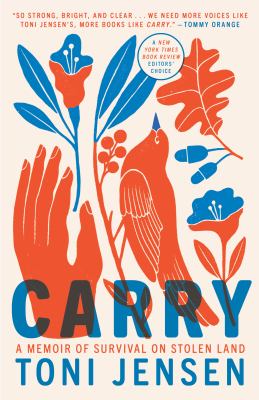
Carry: A Memoir of Survival on Stolen Land by Toni Jensen
In Carry, Jensen offers readers a nuanced, unsettled, and emotional picture of gun violence and culture in America. She maps her experiences as a Métis woman through a series of essays on themes including tokenism in academia, racism, violence, and the trafficking and disappearance of Native women. Throughout the book, Jensen poetically draws on dictionary definitions of words and phrases such as “off-season” and “dog days” to complicate their presence and the reality that lies beneath their usage. (KV)
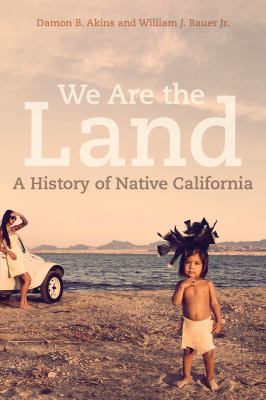
We Are the Land: A History of Native California by Damon B. Atkins and William J. Bauer
This is an Indigenous-authored, informative, and carefully researched book that exposes the erased and excluded Indigenous history of California, including the areas of Sacramento and Berkeley. Recommended for readers interested in remediating the history education that has left out or pushed into the margins the stories and legacy of Native Californians. Each chapter also includes a comprehensive bibliography for further research. (KV)
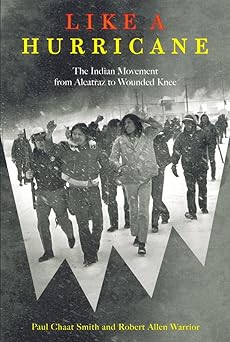
Written by two Native American scholars, this engaging non-fiction work narrates and contextualizes pivotal events in the late 1960’s and early ‘70’s for the Native American land and civil rights activist movements, including the seizure of Alcatraz in San Francisco Bay, the occupation of the Bureau of Indian Affairs Building in Washington D.C. and the events of the Second Wounded Knee of 1973. Am engaging must-read for those interested in the cultural and historical impact of resistance movements of the 1960’s. (KV, WC)
Films and TV
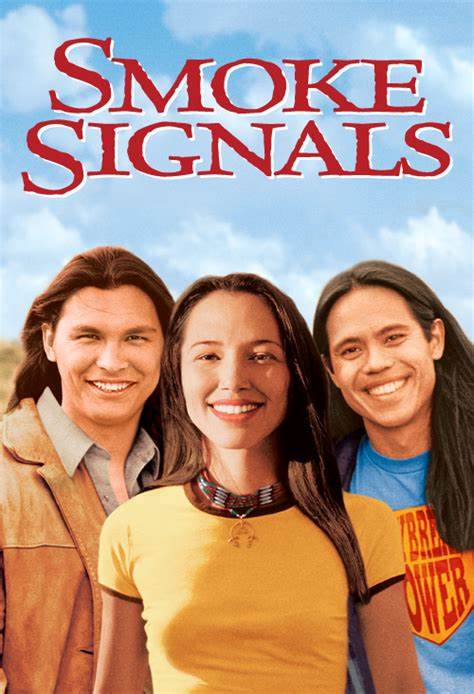
Almost a decade after the Eurocentric explorations of Native culture in Dances with Wolves, this Sherman Alexie-penned film from Director Chris Eyre might have been the first feature film to center itself around a primarily and predominantly Indigenous cast. Its journey toward family-identity and self-discovery for Victor Joseph and his friend Thomas Builds-the-Fire set the stage for Reservation Dogs in 2021. Eyre has gone on to direct multiple episodes of the current Indigenous-centered series, Dark Winds. (WC)
Related library resources
- 2022 Native American Heritage Month book recs, Librarian David Michalski (Instagram)
- 2021 Native American Heritage Month book recs, Librarian Roberto C. Delgadillo (Instagram and YouTube)
- Native American Resources in the Archives
- Native American History and Culture Collection
- Native American Studies Research Guide
References
Rodriguez, V. N. (2023, August 1). Never Whistle at Night: An Indigenous Dark Fiction Anthology. Booklist, 119(22), 44. [Book Review]