What Makes UC Davis Library Collections Distinctive: A New Series
Library school interns reveal their findings, starting with bees and honey
What makes UC Davis Library collections unique? During spring 2026, a cohort of three library school interns – Mei Chin, Cheyenne Perry and Kristina Bellas – were tasked with figuring out ways to answer this question. Their data analysis, conducted on topics within our agriculture and food and drink collections, provide insight (and some bragging rights) about the scope, strengths and standing of UC Davis Library collections among peer institutions.
We invite you to follow this blog series to learn how our interns used cold, hard data to illuminate what makes our collections distinct, specifically as they relate to the warm, fuzzy and fizzy world of bees and honey, chocolate, tea, and beer.
“Bees and Honey,” by Mei Chin, is the first installment in this series.
Bees and Honey
By Mei Chin, MLIS
This winter and spring, my fellow library school interns and I started chipping away at the glacier that is the Food and Drink Collections at Shields Library. Our mission: To find out what, exactly, do we hold? Are there any topics that stand out, or that could be compiled into a standalone collection? And are there collections at other institutions that might inspire our own collecting?
I started by looking into what kind of apicultural (beekeeping) research UC Davis specializes in, and if other comparably sized universities were doing the same. I did an overview search of common bee and apiculture studies call numbers (relating to pests, bee culture, honey production, etc.) to research our books on bees and honey. From bee biology and evolution to bee pests and honey production, UC Davis has an entry point for bee lovers of all experience levels. From graduate students to amateur beekeepers, the library has resources to support your interests.
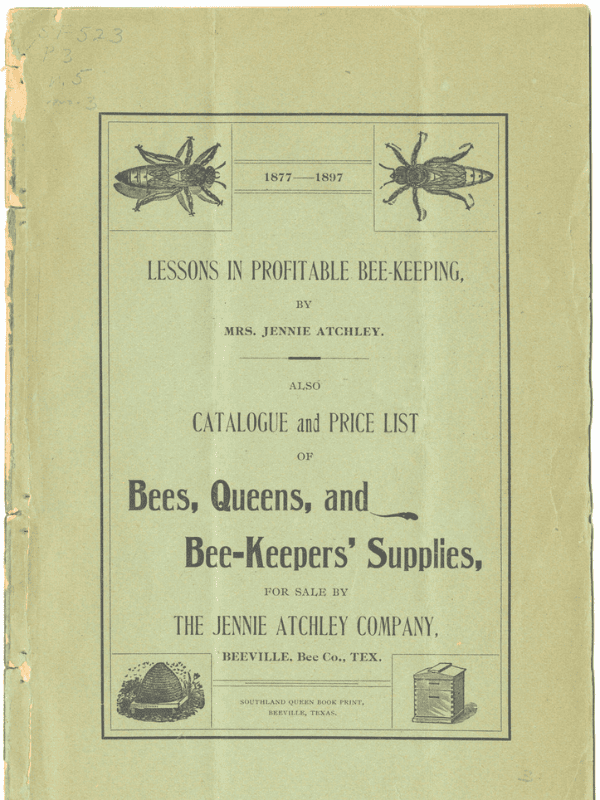
The library has a huge range of texts across bees and related subjects:
- Pollinators (including wasps)
- Apiculture, including honey manufacture and the honey industry
- Pests/Colony Collapse Disorder
- Honey as medicine
- Mead
In fact, UC Davis’ collections in these areas rank in the top three research collections in the United States (alongside Cornell University and Virginia Tech), in keeping with the campus’s reputation for apiculture scholarship.
What I found is that along with comprehensive information on bees themselves, the library has resources on topics from honey production to colony collapse disorder.
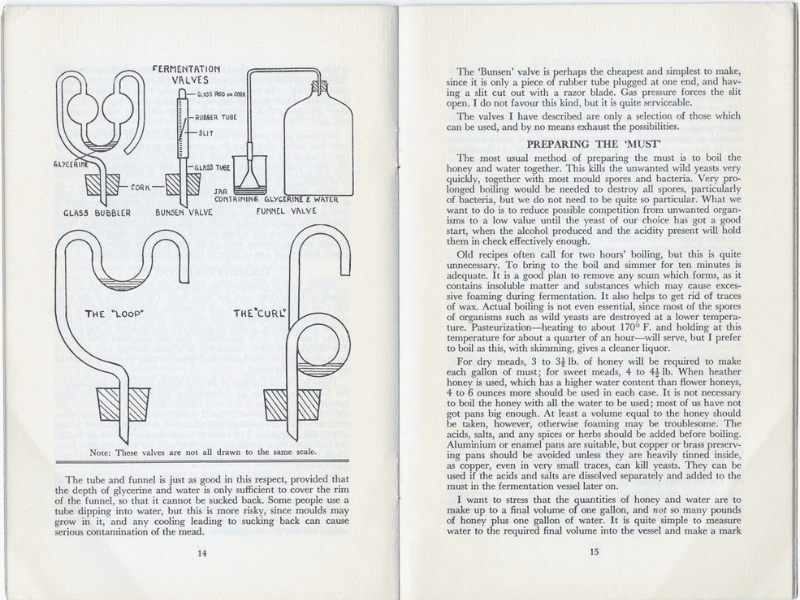
Additionally, the E.L. Niño Bee Lab at UC Davis offers courses on mead and mead production through the UC Cooperative Extension for apiculture. Commonly thought of as one of the world’s oldest fermented beverages, mead has a long, storied history, and was independently produced in far-flung locales, with evidence of its existence found from China to Africa to northern Europe. Mead plays prominently in some of our most well-known stories, from Norse mythology, King Arthur’s Round Table, and Beowulf. From mead’s illustrious past to its current production, the library has you covered.
Expanding our collections
If you have an affinity for bees, honey, or mead, or have any texts, treatises, or informational materials that you would like to donate, we are actively looking to expand our collection. If you would like to make a gift of support to help the library continue building collections like these, please contact Rice Majors, Associate University Librarian for Scholarly Resources, at [email protected].

Mei Chin interned with the UC Davis Library as part of her MLIS program at San Jose State University. She holds a B.A. in French from Carleton College (Northfield, MN) and a M.A. in French Literature from the University of Wisconsin-Madison.