Cha Chat Episode 1.4: Immersive Tea Experience
Listen to the Episode
Join Harold Linda as he shares his tea space with Thiago Braga, Greta Anders, and myself, Erik Fausak. We’ll discuss our intertwined natural history of tea and explore the notion of “tradition” and “authenticity”.
Recorded: April 28, 2019 at Harold’s Immersive Tea Space, UC Davis MFA Studios
About the Episode
We all entered Harold’s Immersive Tea Space together and the impact was immediate. Everyone automatically relaxed and enjoyed their surroundings.
We all introduced ourselves:
Greta Anders, Undergraduate in Anthropology, Linguistics and Italian. She has worked for the global tea initiative and is Vice President for the Global Tea Club (see podcast 3).
Thiago Braga, Graduate student in Anthropology at UC Davis has a Bachelor’s degree in International Relations and a Master of Laws degree in Chinese Studies from Peking University. He spend time in the Yunnan province where he received a “crash course” in the tea industry and became fascinated with the concept of , “Fake tea”. His example is the current attitudes surrounding Pu’er tea. He has come to appreciate that tea is not necessarily about the substance itself, but the ritual that surrounds it and that tea becomes more of a spiritual practice. He enjoys engaging in tea as a participant observer.
Harold Linde is in his first year of the MFA program for Design. He created the space that we are currently enjoying in the podcast and has an interest in spreading this aspect of tea culture in the United States. “In a past life”, he was an environmental activist focusing on ancient forests. He is interested in the symbiotic relationship of tea and humanity, where we don’t harm the tea trees and have a direct relationship with these plants. Harold also comes from a background of Spiritual Psychology.
After we introduced ourselves, Thiago suggested that Harold should add cultural mediator as a term to describe himself. Thiago went on to ask where the immersive experience occurs? Harold answered by clarifying, “I am not highly skilled in serving tea”, but he is this way intentionally. He sees the serving of tea as a shared experience and about that experience, not necessarily the ritual. He cited an example of how sometimes, ceremony can be an impediment to the experience of sharing with people. He then quietly said, “What I’m most concerned about is you.”
Thiago raised another question, “Are we immersing ourselves in tea or immersing ourselves in the process or image of tea?” Harold responded by the role of tea as a psychotropic medicine. That the immersion is in a metaphysical space to be enjoyed by ourselves or together,
[tea] is a friendly, benevolent plant
Thiago then added “We are beings of things”, through engaging with tea and thinking of it as a plant, tea is also speaking to us. He discusses the idea of a plant-animal bond and how both affect each other (a topic we picked up later in the podcast after he left). Thiago challenged us by asking, “Are the ideas we have with these substances our own or not?” . Thiago ended his thought that we have to,
Think of Human-ing as a verb
Harold thought about this and pointed out that our own existence is based on so many other lifeforms, like the microbiome of the gut. Below is a video from the 2019 GTI colloquium where the microbiome of people and tea’s role is discussed by Dr. Yvonne Wong,
[MISSING VIDEO EMBED]Thiago went on to discuss how like dogs and humans, tea has been affecting our species,
We’ve been shaping each other as biological bodies
Thiago had to run but we then went on to discuss the aesthetic of tea and how we identify ourselves with tea. Harold stated that he wears a “uniform” of denim, because it is from cotton which is internationally utilized, highly functional, and unassuming. We discussed that sometimes tea can become too esoteric. He stated
I still drink tea out of a teabag. I enjoy it the way people in this country enjoy it.
The conversation then moved to discuss authenticity versus tradition, where something can be truly authentic without being traditional.
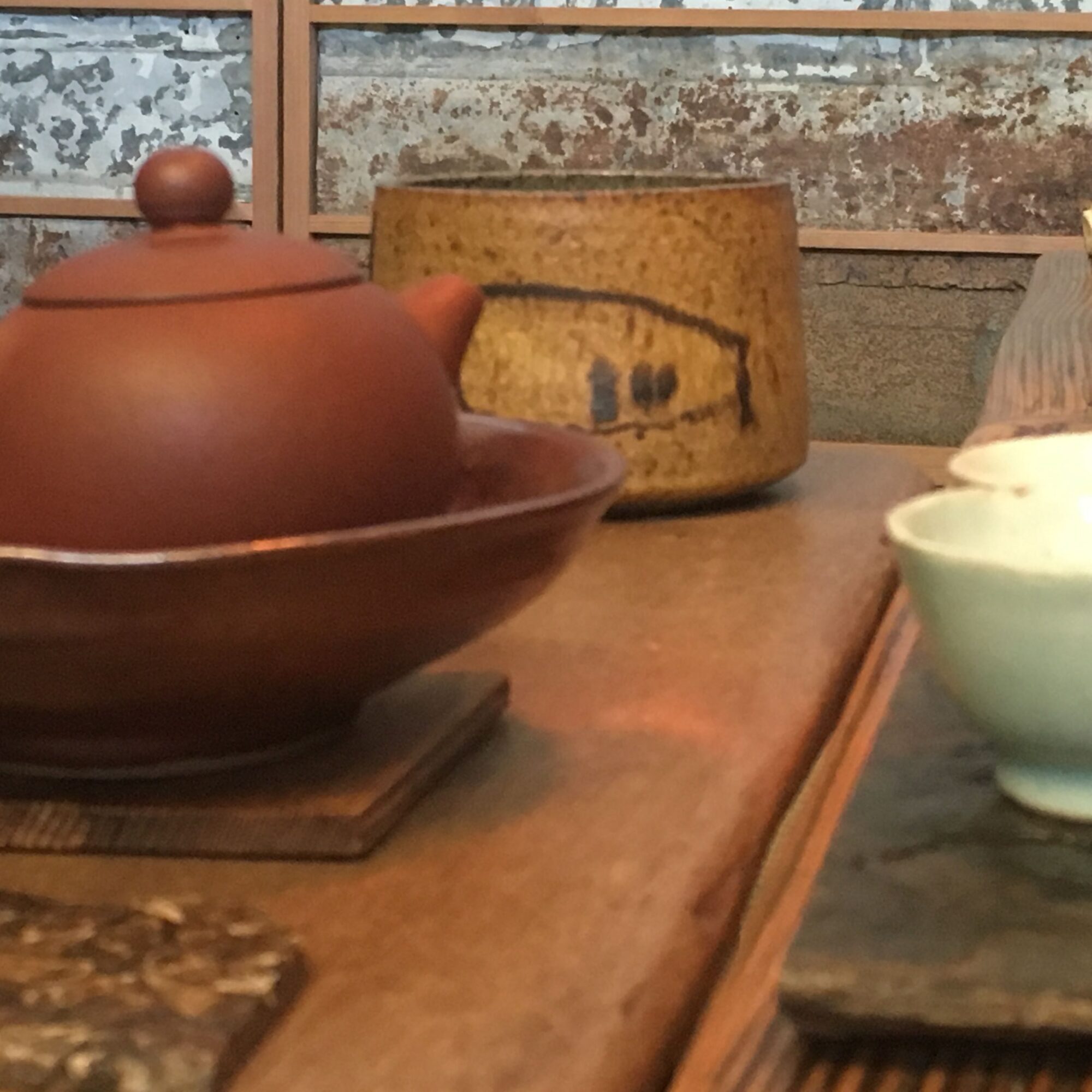
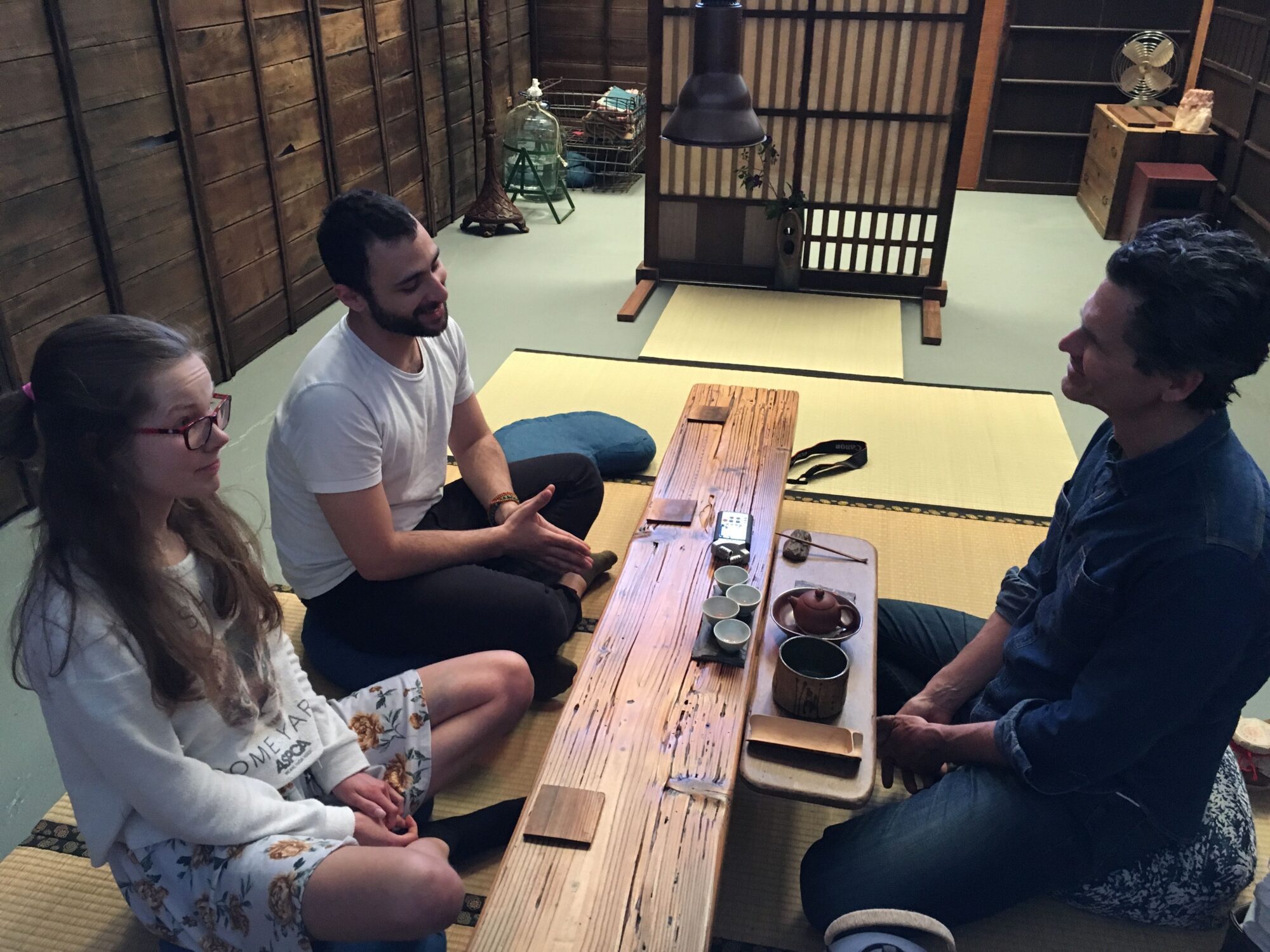
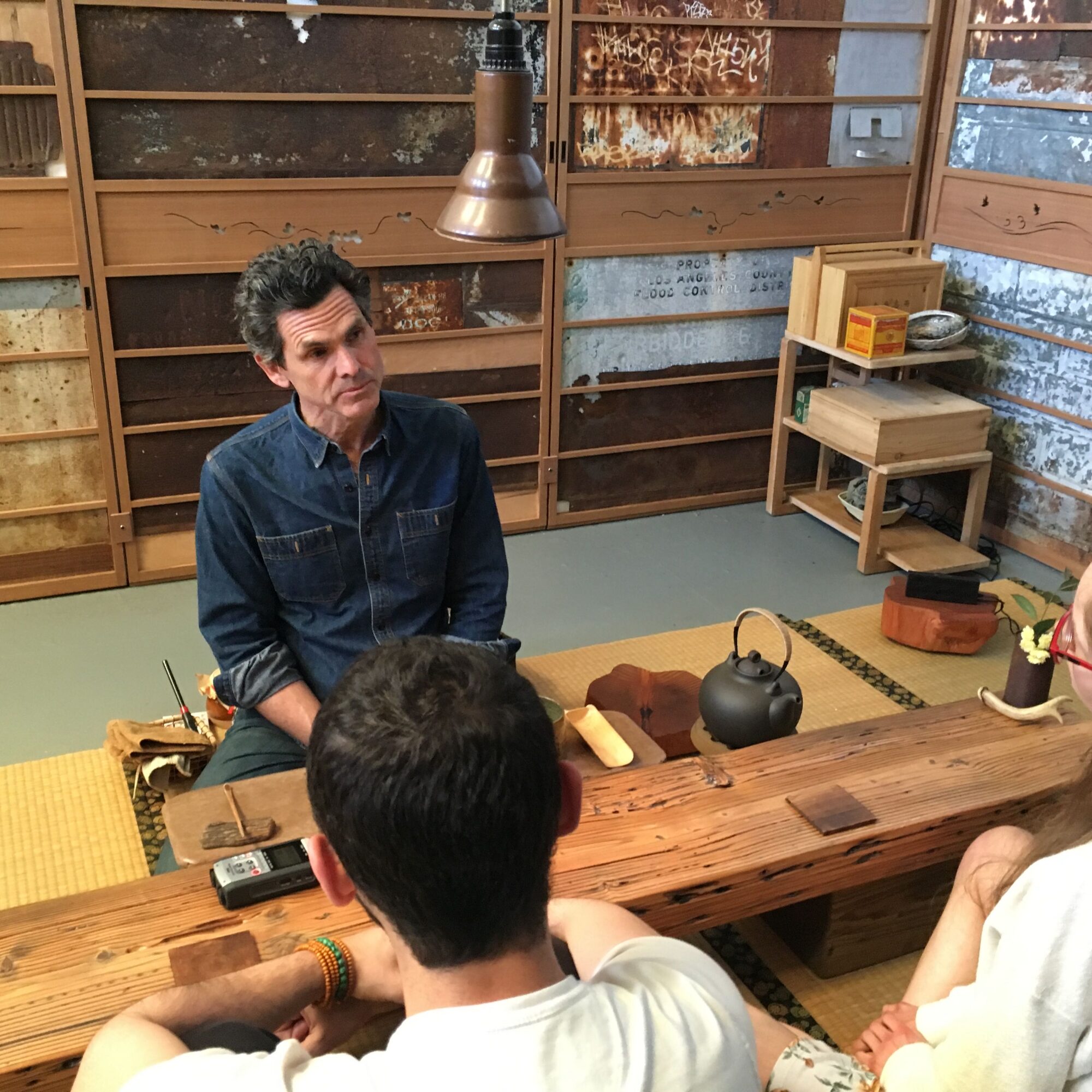

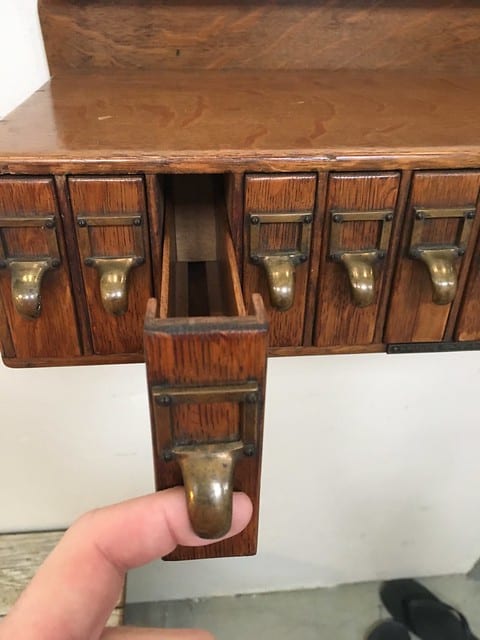
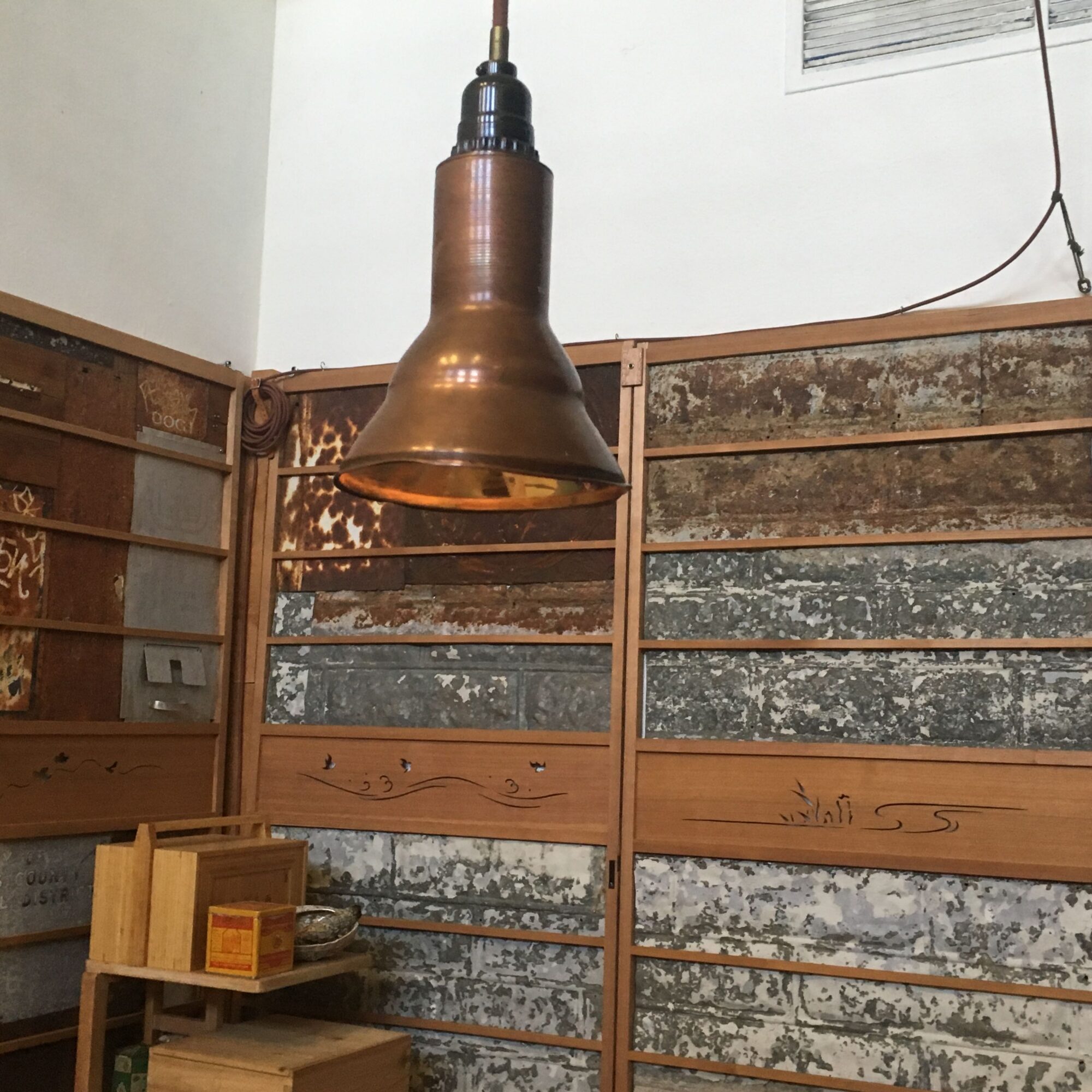
Harold has some great description and images of the space on his tea experiences website.
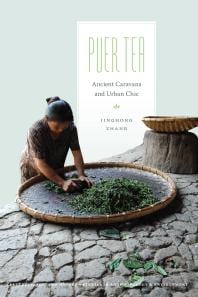
Puer Tea: Ancient Caravans and Urban Chic 2014
Author: J Zhang
Call Number: Shields Lib GT2907.C6 Z4366 2014

A Foreign Infusion: The Forgotten Legacy of Japanese Chadō on Modern Chinese Tea Arts (PDF)
Author: J Zhang
Published in Gastronomica: The Journal of Critical Food Studies, 16(1), pp.53-62

The genomic signature of dog domestication reveals adaptation to a starch-rich diet (PDF)
Author: E Axelsson, M Arendt, K Maqbool, M Webster, M Perloski, K Lindbladt
Published in Nature, 495(7441), 360-364.

How to Change your Mind
Author: M Pollan
Call number: Shield Lib RM324.8 .P65 2018

Cha Chat is dedicated to the Global Tea Initiative
The Global Tea Institute (GTI) promotes evidence-based knowledge about tea. It is a singular global phenomenon, a neutral place for multidisciplinary tea scholarship.