Cha Chat Episode 1.2: Japanese Tea Culture
Listen to the Episode
We chat with two experts in Japanese tea culture, Ryo Iwamoto and Rebecca Corbett. We also have Melissa Lobach of Wakamatsu Farm (ARC) join us to discuss 150 years of Japanese culture in America. Recorded at GTI Colloquium 2019 at UC Davis.
Recorded: January 24, 2019 at GTI Colloquium 2019, UC Davis
About the Episode
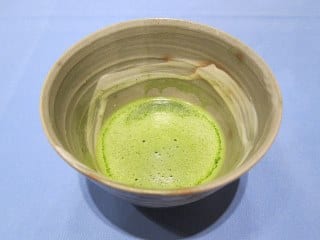
In the bustling activity of the 4th Annual Global Tea Initiative Colloquium, we found a small room to have a little conversation at the University of California at Davis Conference Center. I was joined by two speakers at the conference, Dr. Rebecca Corbett and Ryo Iwamoto. We were also privileged to be joined by Melissa Lobach of the American River Conservancy. What do they have in common? Japanese tea culture.
Ryo states a large influence to have him enter a tea house was a traditional character in the TV series “Kuitan” which translates to the “gluttonous detective” who solves crimes by contemplating and enjoying food, maybe “epicurean detective” sounds more descriptive.
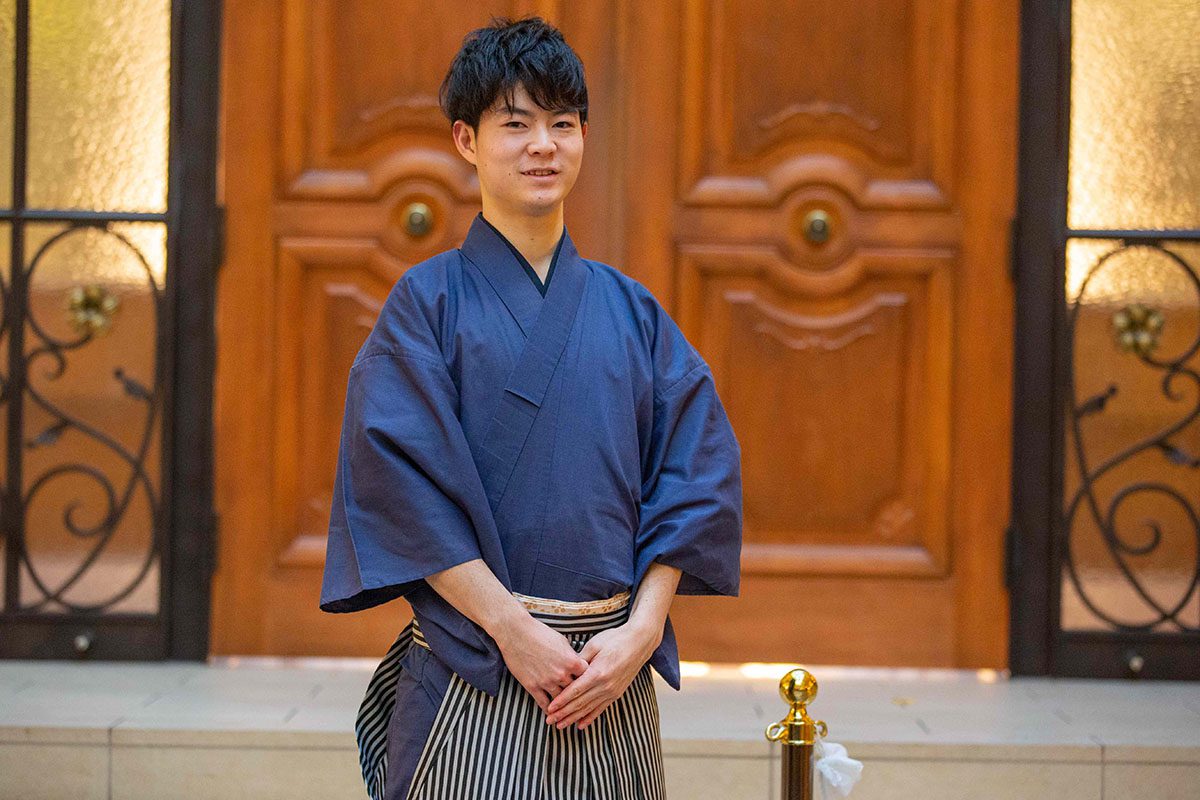
This led Ryo to ask his mother to enroll him in a tea school at the age of 9 years old. He enrolled at the large tea school, Urasenke, part of a group of tea schools called Sansenke. He is finishing his final year in college at Waseda University but is already developing a business around tea, with Tea Room, Inc. a dojo of tea aimed at creating a value on tea ceremony at the corporate level.
During the morning session at the 2019 Colloquium of the Global Tea Initiative, he discusses his business, Tea Room, Inc.:
MISSING VIDEO EMBEDAdditionally, Ryo spoke at the colloquium as Tea Culture as a treatment to a societal ill:
MISSING VIDEO EMBEDRebecca joins us from University of Southern California, her research has been centered around the role of women in Japanese tea culture. Rebecca has always loved tea, initially being part of a more British tradition being raised in Australia. She did an exchange program in Japan and spent a year learning the Urasenke tradition. She became familiar with the Global Tea Initiative while doing post-doctoral Fellow at Stanford’s Center for East Asian Studies. While 90% of Japanese Tea Ceremony today are women, there is very little historical record of it. This is the focus of her book, Tea Spirit in Early Modern Japan and the 2019 Colloquium lecture. Like Ryo, Rebecca also attended the Urasenke tea school in Japan.
Below is Rebecca’s lecture on the role of women in Japanese Tea Culture:
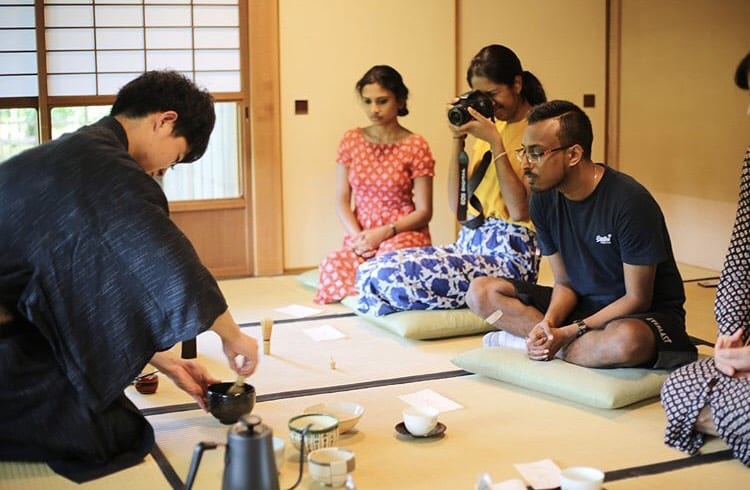
MISSING VIDEO EMBEDBelow are some examples of Urasenke Tea Culture in California:
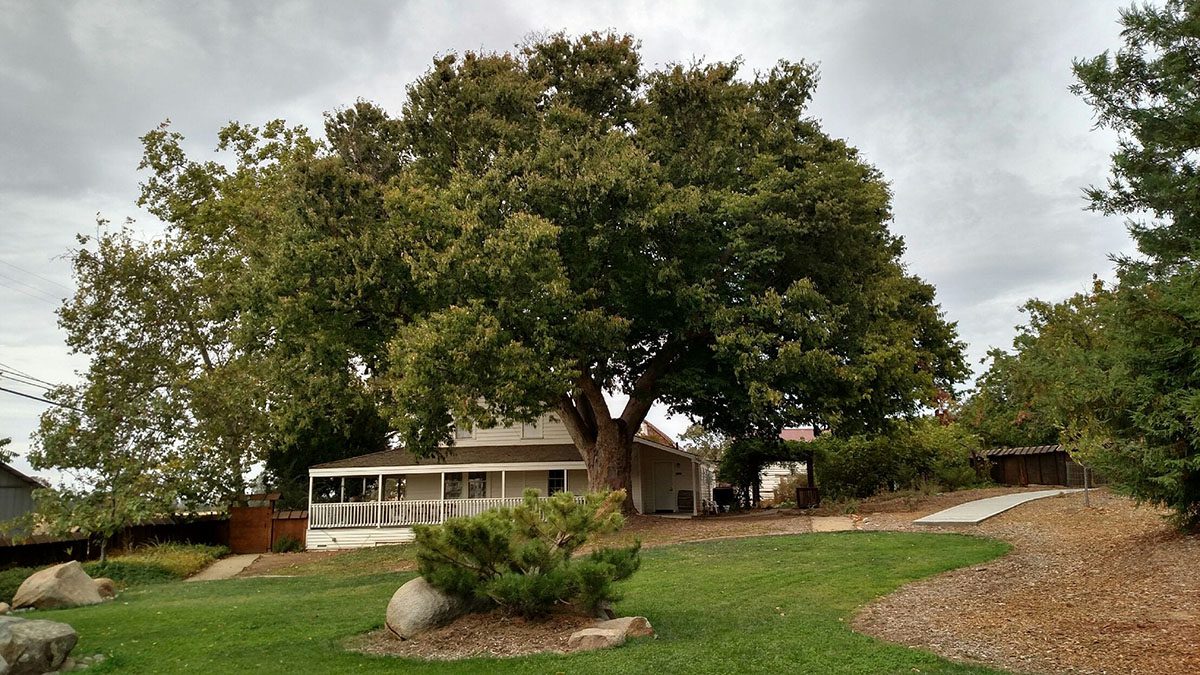
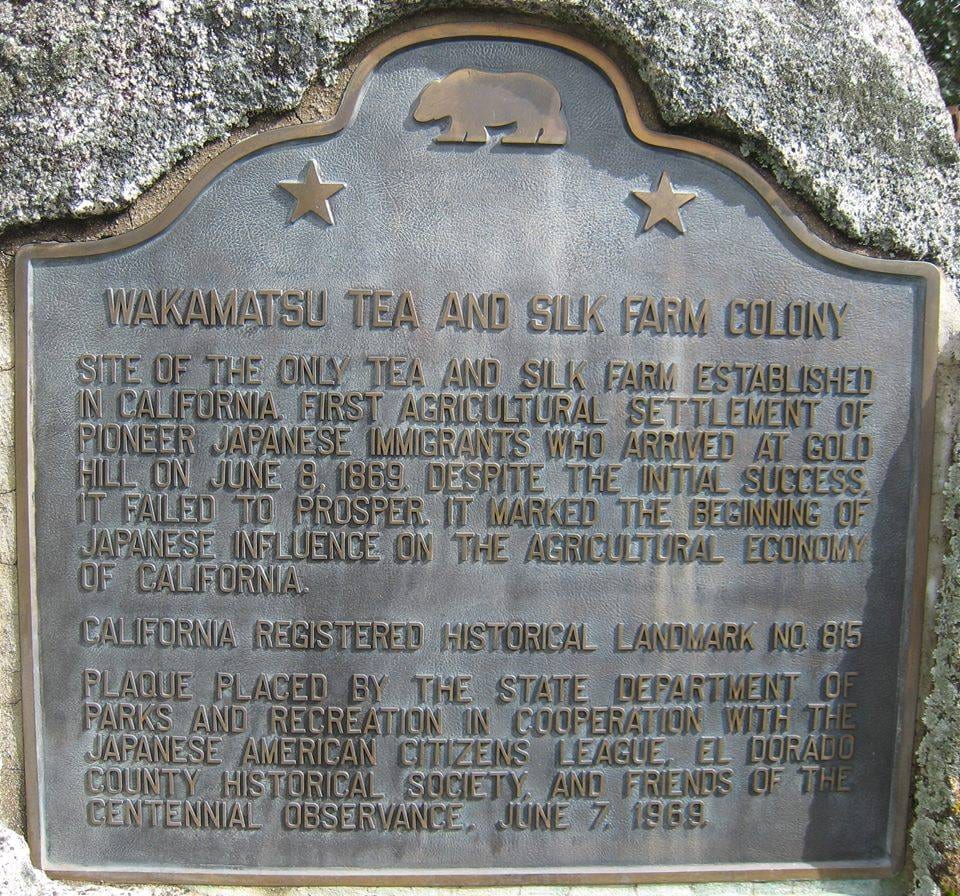
Melissa Lobach is currently preparing for the sesquicentennial of the Wakamatsu Tea and Silk Farm. She points out that it is the first Japanese colony in the United States, the first Japanese burial, and site of the first Japanese-American. Melissa mentioned that she found out about the Global Tea Initiative at UC Davis through the groundskeeper at Wakamatsu. Melissa also expressed enthusiasm about Katharine’s assistance in providing speakers for the sesquicentennial celebration at Wakamatsu, which will involve many aspects of Japanese Tea Culture.
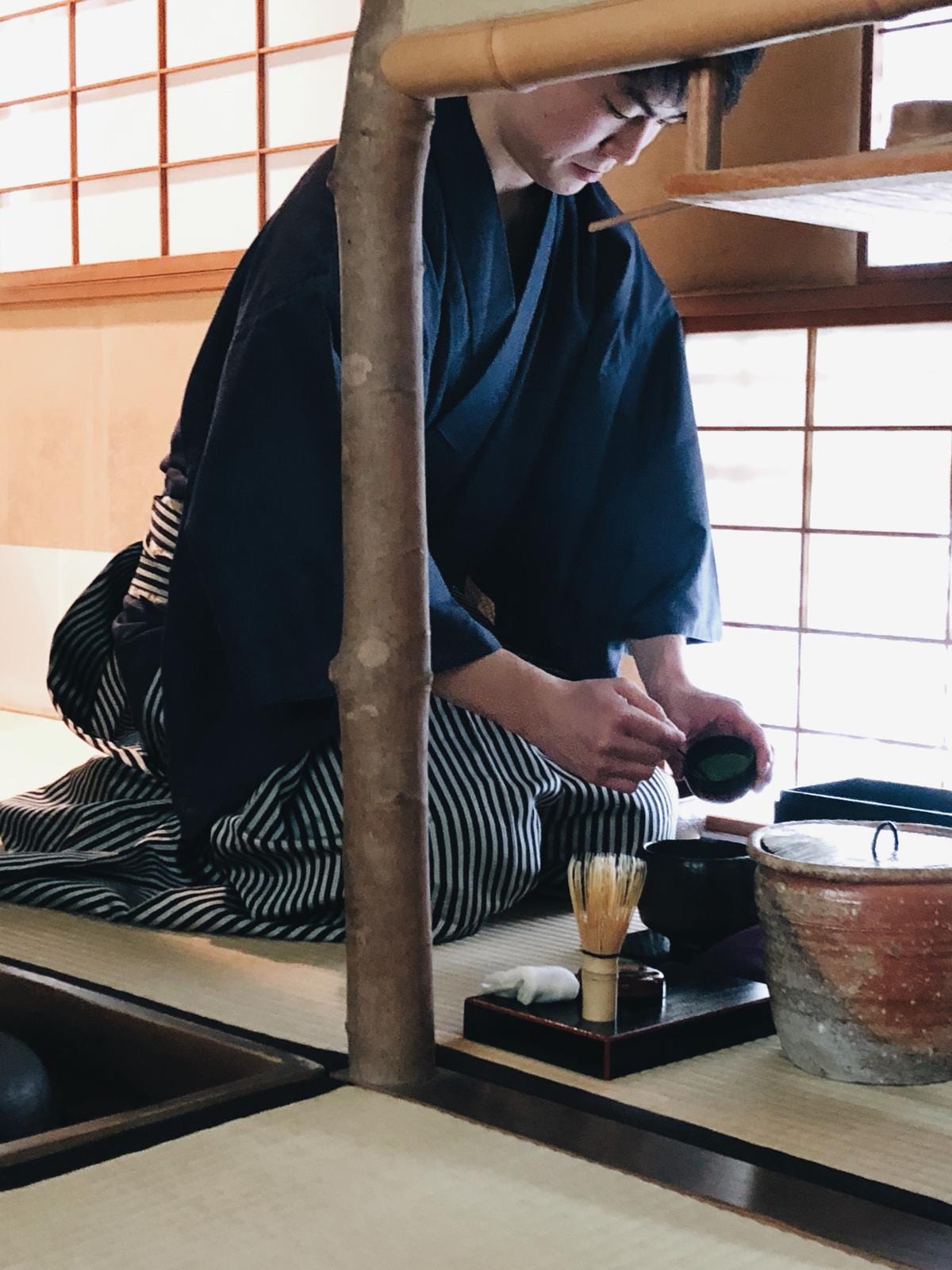
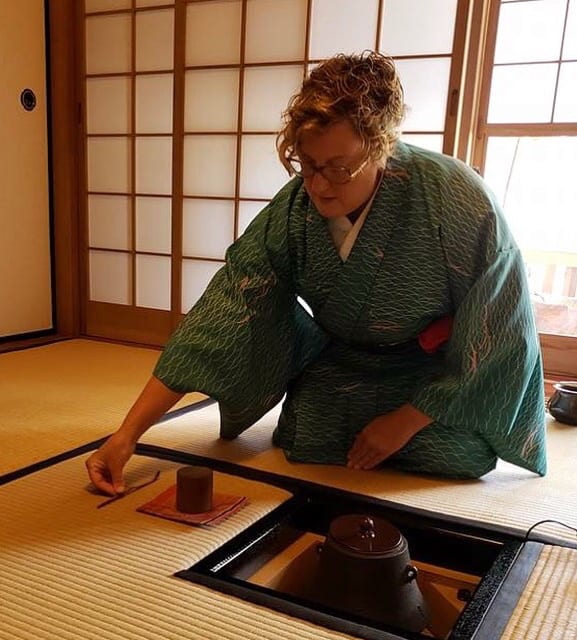

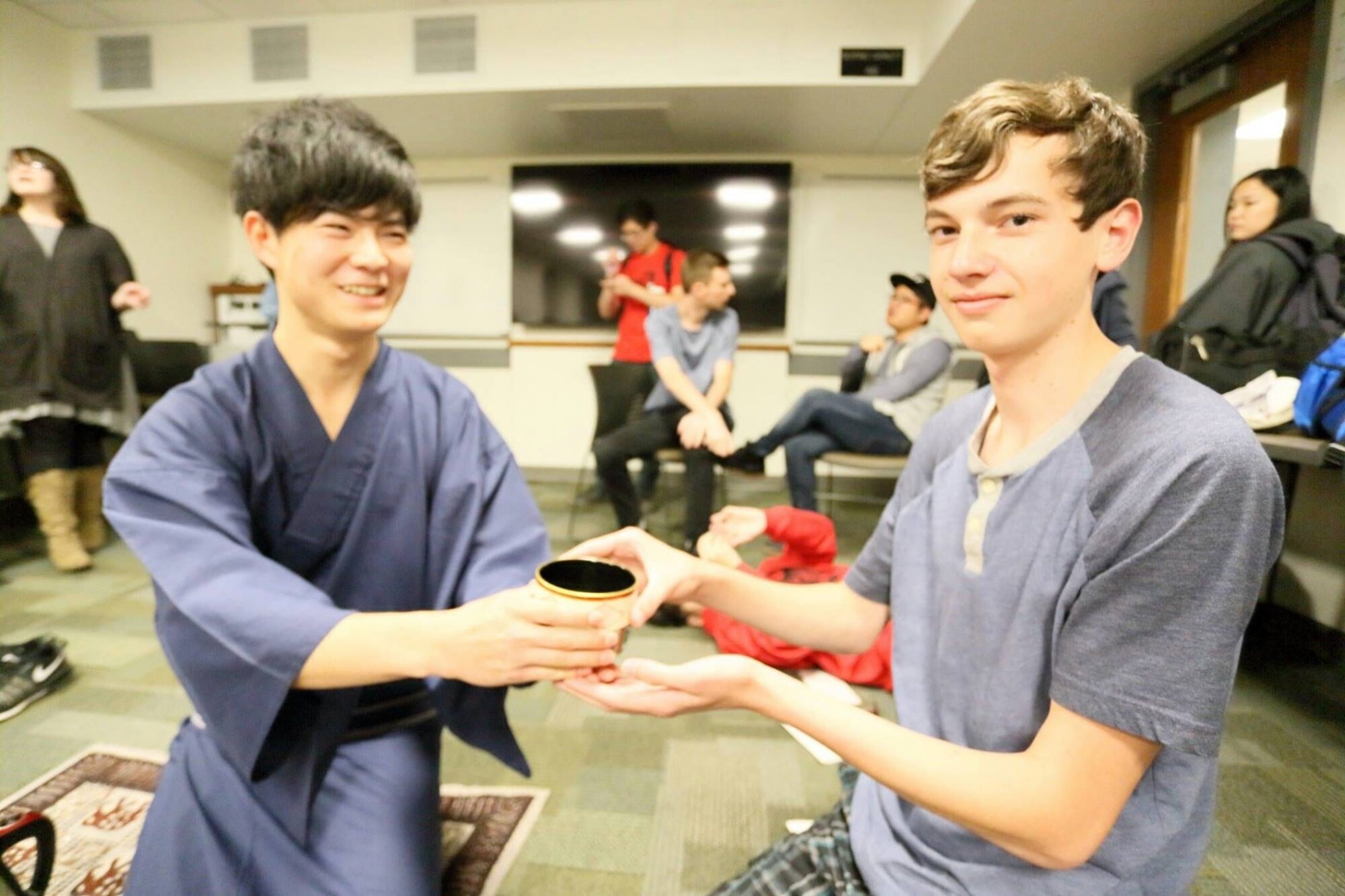
I was curious, particularly from a lecture at last year’s GTI symposium by Paul Barry, if we impose too many rules and restrictions with Japanese Tea Culture. Ryo responded that it is highly dependent on the audience. When he introduces Japanese tea culture to Americans, he may mix matcha with milk.
s curious, particularly from a lecture at last year’s GTI symposium by Paul Barry, if we impose too many rules and restrictions with Japanese Tea Culture. Ryo responded that it is highly dependent on the audience. When he introduces Japanese tea culture to Americans, he may mix matcha with milk.
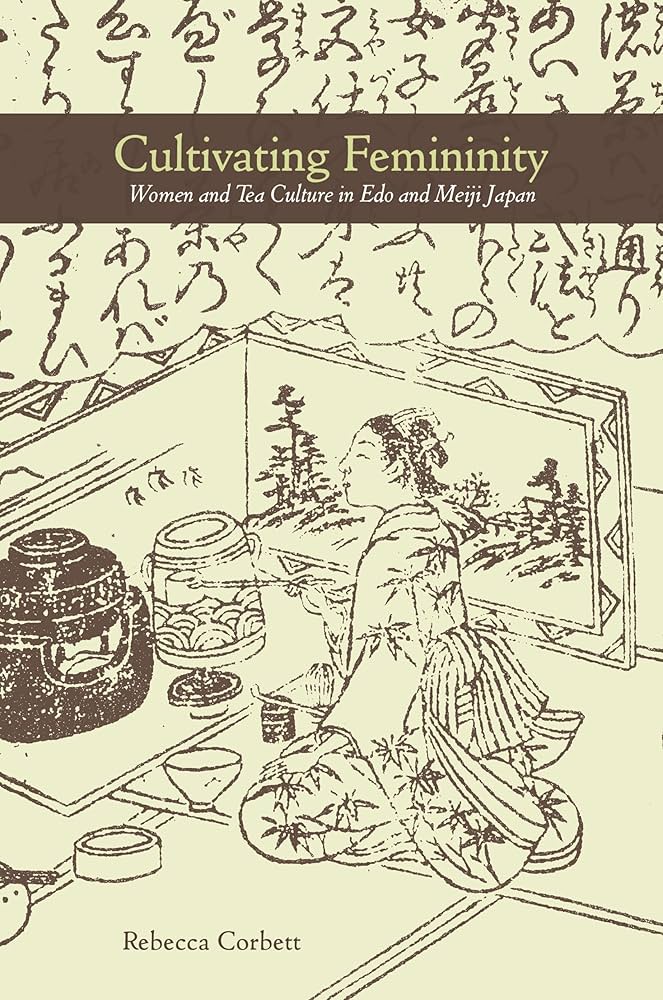
Cultivating femininity: Women and Tea Culture in Edo and Meiji Japan
Author: R Corbett
Call Number: Shields Lib GT2910 .C67 2018

Book of Chanoyu
Author: R Channell Soei
Call Number: Shields Lib GT2910 .C43 2016
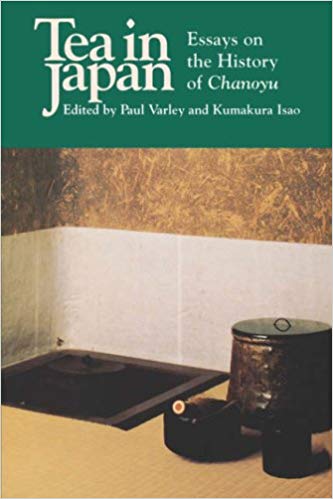
Tea in Japan: Essays on the History of Chanoyu
Authors: PH Varley, I Kumakura
Call Number: Shields Lib GT2905 .T43 1989
Tea Life, Tea Mind
Author: S Shoshitsu
Call Number: Shields Lib GT2910 .S4434
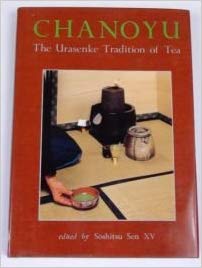
Chanoyu: The Urasenke Tradition of Tea Ceremony
Author: S Shoshitsu
Call Number: Shields Lib GT2912.U7 C482513 1988
Literati modern, bunjinga from late Edo to twentieth-century Japan : the Terry Welch collection at the Honolulu Academy of Arts
Authors: T Welch, P Barry, M Michiyo
Call Number: Shields Lib ND1054 .H66 2008
Cha Chat is dedicated to the Global Tea Initiative
The Global Tea Institute (GTI) promotes evidence-based knowledge about tea. It is a singular global phenomenon, a neutral place for multidisciplinary tea scholarship.